
Signed in as:
filler@godaddy.com
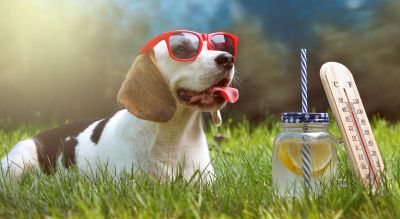
With temperatures climbing during the summer and sometimes the heat indexes reaching over 100 degrees, it’s important to remember that extreme heat affects our dogs just as much , and often faster , than it affects us.
Dogs do not regulate body temperature the same way humans do. They rely heavily on panting and limited sweating through their paw pads to cool themselves down. When temperatures rise, especially with high humidity, overheating can happen quickly.
At K-9 Composure, we believe hot weather doesn’t mean training stops, it just means training smarter.
Exercise is important, but timing matters.
During extreme heat:
A good rule:
If it’s too hot for your hand, it’s too hot for their paws.
Hot pavement can cause burns in seconds.
Physical exercise is not the only way to fulfill your dog.
In fact, mental work can be just as exhausting and far safer in high temperatures.
Great indoor training options include:
This is one of the best times to focus on calmness, patience, and structure.
Structure keeps the mind busy when the body needs rest.
Enrichment is one of the easiest ways to help dogs stay mentally fulfilled while cooling down.
Some safe frozen ideas:
These not only cool your dog down but also encourage calm behavior.
Hydration starts before activity, not after.
Tips:
A common mistake is allowing a heavily panting dog to drink too much too fast after exercise.
If your dog is overheated:
Drinking excessive water too quickly can increase the risk of bloat, especially in deep-chested breeds.
Know the warning signs:
Heat exhaustion can escalate fast.
Do not wait.

As someone with veterinary experience, here are some important things many owners may not know when it comes to heat exhaustion and heatstroke.
Heat-related emergencies can escalate quickly, so knowing how to respond matters.
Seek veterinary care immediately if your dog:
Do not wait for symptoms to worsen.
Fast action can save your dog’s life.
Paw pads help release heat. One of the fastest ways to start lowering body temperature is by having your dog stand in cool water or on a cool wet towel.
This can help begin the cooling process safely.
The best places to cool your dog are:
These areas have less fur and more blood flow, allowing the body to cool more efficiently.
A cool wet towel on these spots works better than soaking the entire dog.
This is one of the biggest mistakes people make.
Ice-cold water can cause blood vessels to constrict, trapping heat inside the body and slowing the cooling process.
Steady cooling with cool water is the safest option.
Many people lay a wet towel over their dog, but this can actually trap heat like a blanket once the towel warms up.
Instead:
If your dog is heavily panting after exercise or overheating, let them rest in the shade or a cool indoor area for 10–15 minutes until their breathing and heart rate begin to return to normal. Then offer a small controlled amount of water first, about 1/4 cup. Wait 3 to 5 minutes, then offer another small amount. Repeat this process until they are no longer frantically thirsty.
Move them into shade or air conditioning first and allow their breathing to settle.
Then offer small amounts of cool water gradually.
Drinking too much too quickly can increase the risk of bloat, especially in deep-chested breeds.
Gum color can tell you a lot.
Normal gums should be pink.
Warning signs include:
These can all indicate overheating or poor circulation.
If you’re comfortable taking a rectal temperature:
Heatstroke can escalate fast, so monitoring temperature can be critical.
Some dogs are more prone to overheating:
These dogs often struggle to regulate body temperature efficiently.
Summer can still be enjoyable with your dog, it just requires smart decisions.
Use frozen enrichment like stuffed Kongs, Freezebones, lick mats, or frozen bone broth cubes to keep them mentally fulfilled while staying cool.
Prioritize safety, keep structure in place, and adjust your routine when needed.
Remember:
Hot weather does not mean no training.
It means smarter training.